-1162026812.png)
-1162026812.png)





Say No More


By the end of the week, markets began to grasp that central banks may, in fact, be forced to raise rates if the Iranian crisis continues to escalate. Traders are no longer pricing in cuts for the Fed in 2026, instead assigning a 20–30% probability to a rate hike by late summer or early autumn — though a 25bps move is unlikely to be decisive. Against this backdrop, traders have turned bullish on the US dollar for the first time year-to-date. Meanwhile, the European Central Bank has rapidly revised its inflation forecasts higher amid rising energy prices. Markets are now fully pricing in three ECB rate hikes this year — a stark shift from expectations prior to Trump’s “Epic Fury” operation, when no tightening was anticipated in 2026. So did it regarding the Bank of England’s four possible hikes forecast the remaining 2026 time.
Previously, Donald Trump stepped back on tariffs — the so-called “TACO moment” — when the bond market began to weaken. With yields once again pressured, he unexpectedly stated of postponing strikes on Iranian power plants today.
Whether this represents an attempt to back off, or simply to calm down markets, stays unclear. Anyway, it’s an announcement of postponement not a ceasefire itself, and Iran replied by holding no negotiations with the US — this all looks like a form of psychological warfare by the United States. Notably, just prior to this, the US authorities had announced the deployment of several thousand additional Marines to the Middle East — a move that clearly signals readiness for further escalation.
Meanwhile, volatility is exceptionally high today — following Trump’s remarks, XBRUSD moved from $113.91 to $95.86 within just a few hours (15.77%).Headway – your reliable broker for smart Forex trading | Headway


SpaceX: Investors Aren't Buying Rockets—They're Buying the Future
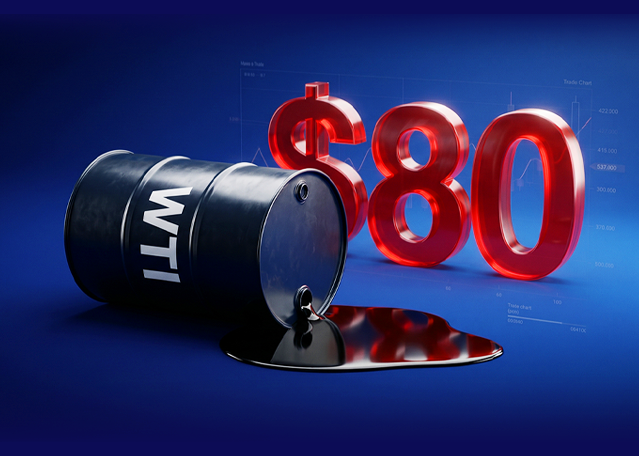
Today Technical Analysis: Oil prices remain under pressure, WTI falls below $80 a barrel
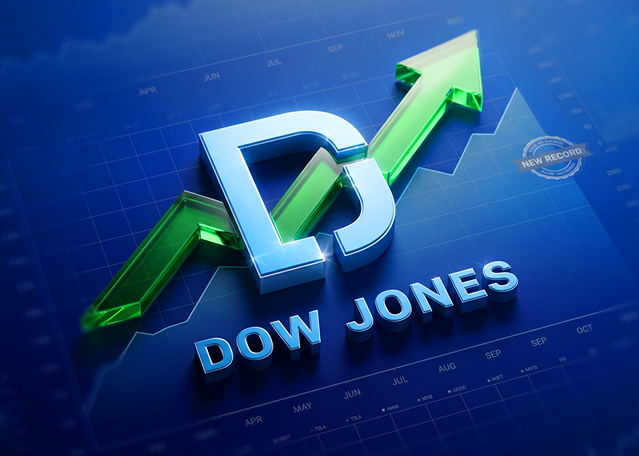
Today Fundamental Analysis: Dow Jones closes at a new record high on US-Iran peace deal
Bitcoin Above $65k: Relief Rally or the Start of a Real Recovery?

Brent: The key to the mystery lies in TACO

Crypto: growth without the euphoria

Middle East deal optimism lingers as attention shifts to the Fed