-3102025657.png)
-3102025657.png)





When Volatility Exposes the Difference Between Brokers


Gold experienced sharp intraday fluctuations following the Federal Reserve’s latest policy decision, trimming earlier losses on Thursday after peaking near $5,600. XAUUSD was trading around $5,315, down 1.83%, underscoring just how quickly price action can accelerate and reverse in volatile conditions. In markets like these, the difference between brokers is no longer theoretical. When prices move this fast, infrastructure decides outcomes.
Such movements serve as a reminder that in today’s markets, volatility is no longer an exception — it is a defining feature. When price action moves this rapidly, a broker's technical stability becomes the primary driver of the trading outcomes.
In environments where some platforms retreat to protect their own interests, VT Markets remains committed to maintaining a robust environment by leveraging deep, multi-bank liquidity pools and institutional-grade execution infrastructure. This is part of a dedicated effort to ensure traders stay connected to the market and actively manage risk exactly when it matters most, rather than being forced to absorb it.
When Markets Move Fast, Some Brokers Pull Back
During volatile XAU/USD sessions, many traders face order rejections and frozen platforms. While labeled as "risk controls," these are often liquidity gates used by under-capitalised brokers to shield their own balance sheets.
From a trader’s perspective, the result is catastrophic: Stop-losses fail to trigger at the intended levels, positions cannot be managed, and execution latency spikes. When a broker limits execution during volatility, market risk does not disappear; it is unilaterally shifted from the broker’s balance sheet directly onto the trader.
Liquidity Access Under Stress is the Real Differentiator
At the core of these disruptions is a factor rarely discussed in marketing materials: liquidity access under stress.
In stable markets, many trading platforms appear comparable. However, the true test of a broker occurs during high-impact news events — such as Fed pivots or geopolitical shifts — when market depth typically evaporates. In these moments, pricing gaps widen, order books thin, and brokers are forced to filter or reject trades to protect their own exposure, often leading to massive slippage or the total disabling of trade buttons.
This is where the liquidity engine proves its value. By consolidating real-time feeds from Tier-1 investment banks and non-bank market makers, a trustworthy broker should be capable of maintaining an order book that remains resilient even during extreme price gaps. This institutional-grade setup ensures that if one provider pulls back, others in the pool absorb the flow. For the trader, this translates into superior fill rates and reduced asymmetric slippage when it matters most.
By investing in this architecture, VT Markets ensures its clients are tapped into a global network designed for performance under pressure. In essence, stability is not merely a marketing claim; it is a promise to keep traders connected to the market regardless of how fast it moves.


US-Iran Tensions Escalate Anew; Focus Shifts to ECB Rate Hike
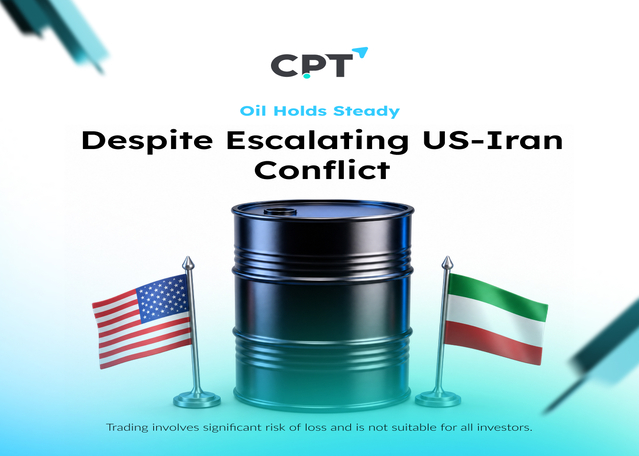
Oil Holds Steady Despite Escalating US-Iran Conflict

Gold (XAU/USD) Faces Persistent Selling Pressure

Middle East tensions spark market sell-off; all eyes on U.S. CPI tonight.

Dollar or Gold? Two Assets in Focus for the Second Half of 2026
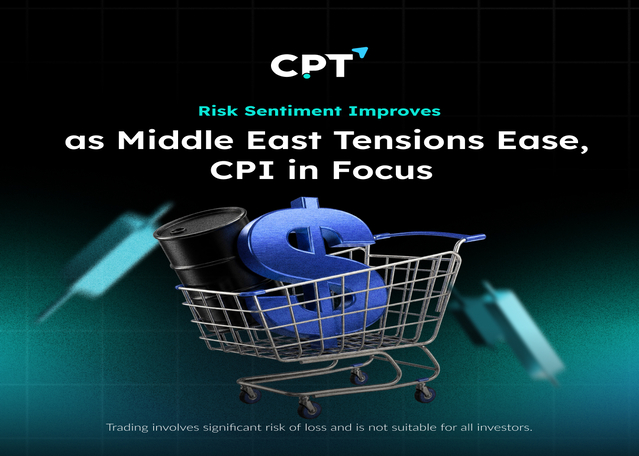
Risk Sentiment Improves as Middle East Tensions Ease, CPI in Focus

XAUUSD Seeks Stability Ahead of Inflation Data