





The dollar has completed its correction

The dollar has completed its correction
· The dollar has finished its rebound and is set for a further decline.
· The White House’s clash with the Fed is weighing on the US currency.
The US dollar attempted to find its footing, supported by rising oil prices and a slowdown in US stock indices. The Strait of Hormuz remains blocked, despite Donald Trump’s optimism about the imminent conclusion of a favourable deal with Iran. The imbalance in the oil market is intensifying, leading to a $30-per-barrel premium between spot and futures prices. Brent at $125 for immediate delivery is hardly welcome news for the eurozone, which imports large quantities of energy.
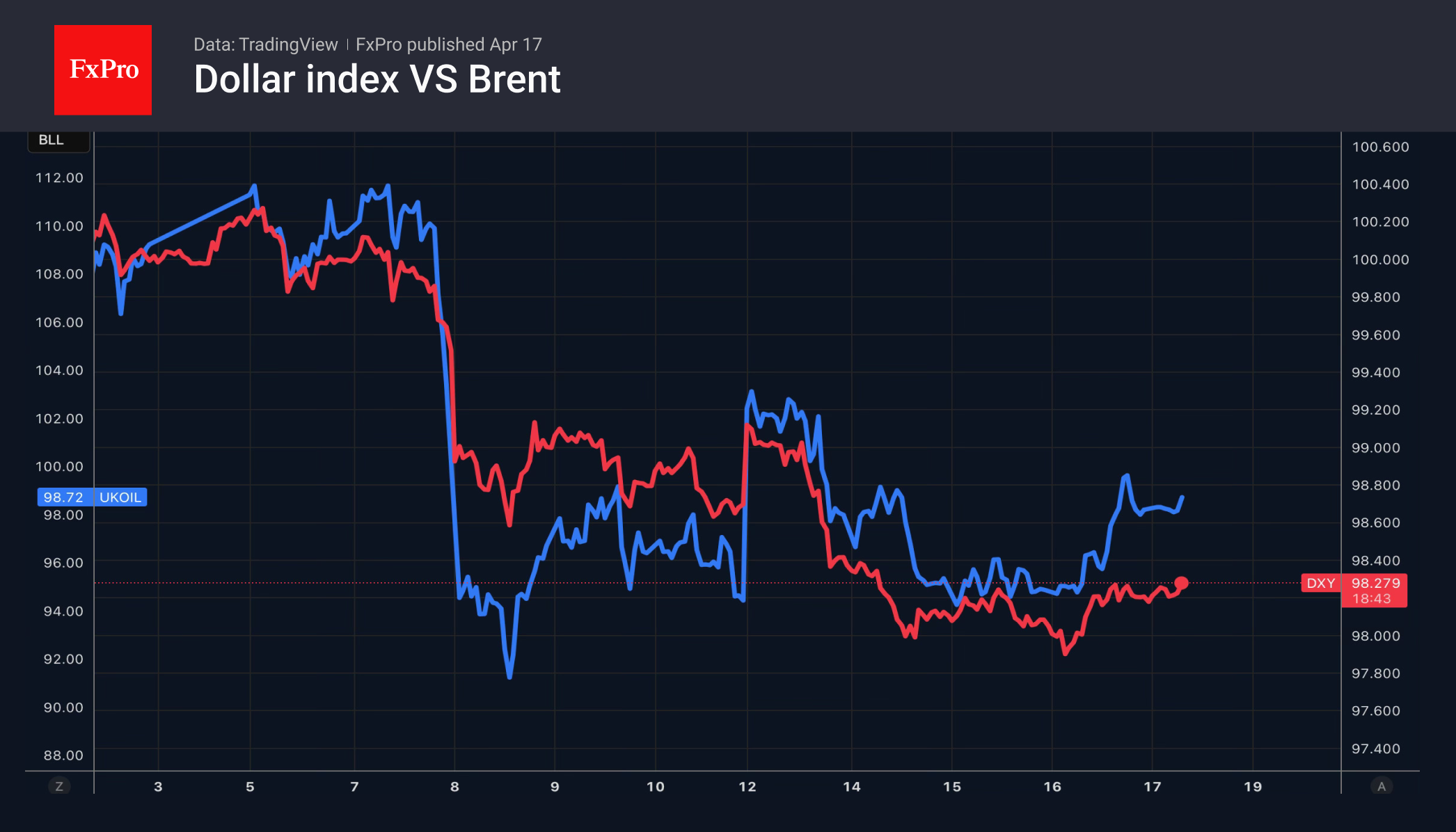
Nevertheless, the markets’ belief in a swift end to the armed conflict is allowing major banks, including Deutsche Bank and Wells Fargo, to assert that the dollar’s corrective rebound is over and the downward trend is resuming. According to a Bank of America survey, investors believe that the dollar’s strengthening in February and March was nothing more than a rebound within a bear market.
However, Credit Agricole disagrees and believes that it is time for EUR/USD to return to its fair value of 1.165. This level is calculated based on central bank rate differentials, debt markets and the ratios of the US and European equity markets.
The White House is putting pressure on the US dollar. Donald Trump once again intends to force Jerome Powell to resign if he does not step down as Fed Chair at the end of his term. However, Congress may not have appointed a new head of the central bank by 15 May. On the Polymarket and Kalshi prediction platforms, the probability of Kevin Warsh’s confirmation by that date has fallen from 50% to 38%.
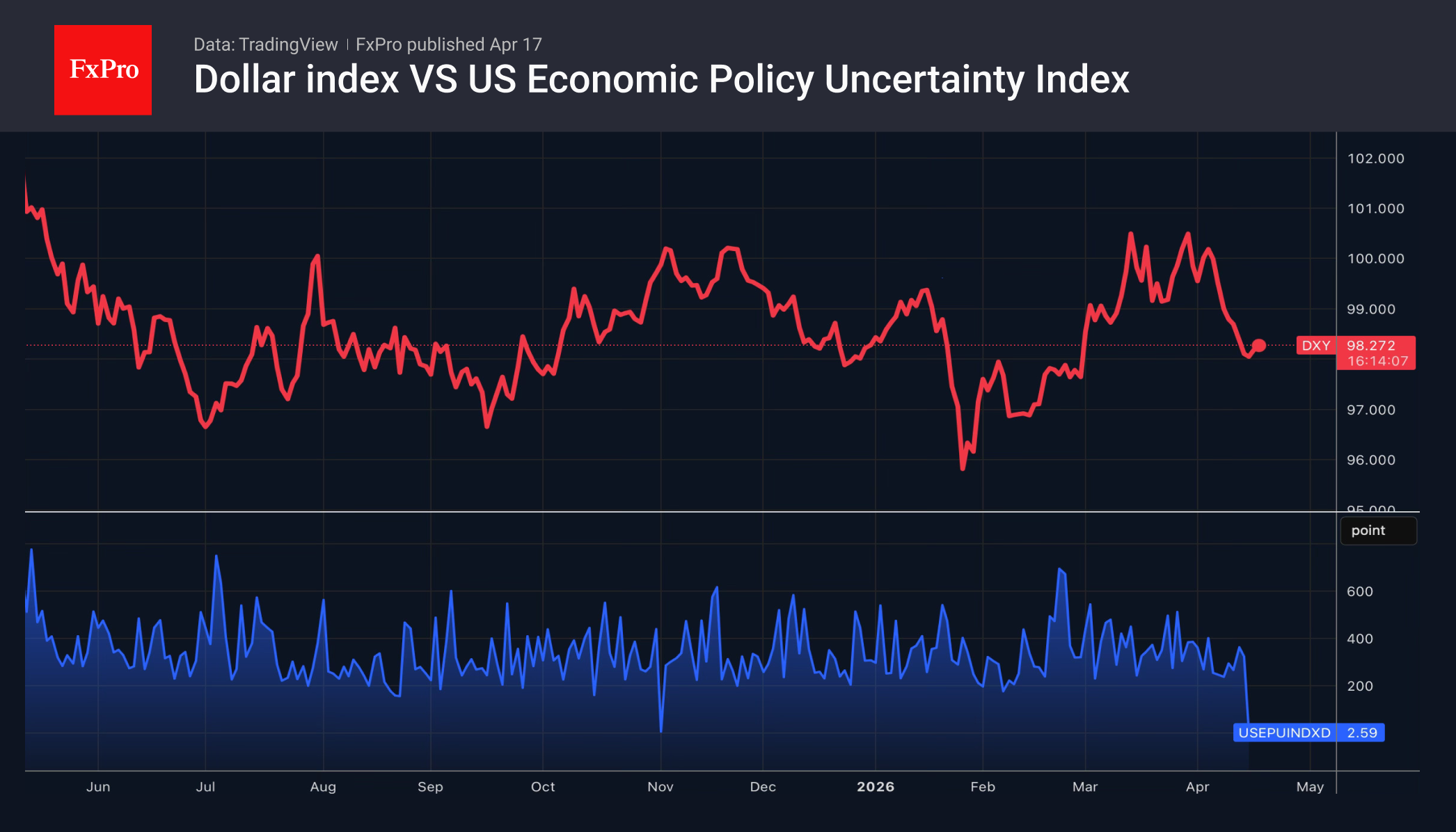
Previously, threats to the Fed’s independence from the White House had led to upward momentum in EUR/USD, as investors dumped the greenback, preferring to distance themselves from political risks and from declining confidence in government institutions. Most likely, the discord between the executive branch and the central bank will provoke a similar market reaction.
Meanwhile, the Australian dollar capitalised on strong March labour market data and attempted to resume its upward trend. Employment rose by 17,900, whilst the unemployment rate remained at 4.3%. The futures market raised the odds of a monetary policy tightening at the Reserve Bank’s meeting on 5 May, which supported AUDUSD.
By the FxPro Analyst Team


Global Markets Brace for AI Earnings and US Jobs Data

US Dollar Rebounds as Fed Bets and Geopolitical Risks Pressure Markets | 31st July, 2026

Tech Leads US Stocks Higher; BoJ In Focus After Suspected Intervention

July 31, 2026: Intervention, Bank of Japan, and Eurozone Inflation

The Fed Held Rates, but the Voting Split Signals a More Hawkish Autumn

Bank of England vote could spur GBPUSD jump

Fed Holds Rates; Markets Eye GDP, PCE - CPT Markets