-3102025657.png)
-3102025657.png)





Dollar Pullback Faces a Bigger Test in CPI


USDX is holding near 98.679 after pulling back from its recent high around 100.481, showing that the market has become less defensive than it was during the peak of the geopolitical shock.
The two-week US-Iran ceasefire has reduced the immediate fear of escalation, and that has helped cool the safe-haven demand that pushed the dollar higher through March. At the same time, the drop in oil has weakened one of the dollar’s key supports by reducing the severity of the inflation threat traders were pricing just a week ago.
Even so, the downside remains controlled rather than aggressive. The ceasefire is temporary, shipping through Hormuz is still not fully back to normal, and markets are still treating the calmer tone as conditional rather than secure. Inflation also remains an important limit on further dollar weakness.
One-year inflation expectations rose to 3.4% in March, up from 3.0% in February, while expected gasoline-price inflation surged to 9.4%. That leaves the market in a difficult position where the war premium has eased, but the inflation story has not disappeared.
This means the dollar is now being pulled by two forces at once. On one side, lower oil and reduced geopolitical stress are removing part of the support that drove the rally. On the other, sticky inflation and a cautious Fed outlook are preventing traders from rebuilding a full bearish dollar view. The next CPI release is therefore likely to decide whether the latest pullback extends further or begins to stabilise.
Read more on how ceasefire relief and inflation risk are shaping the dollar’s next move in this article.


Weekly Recap and Forecast: Volatile week for the markets. US inflation at highest level in 3 years. Gold falls below $4,100.
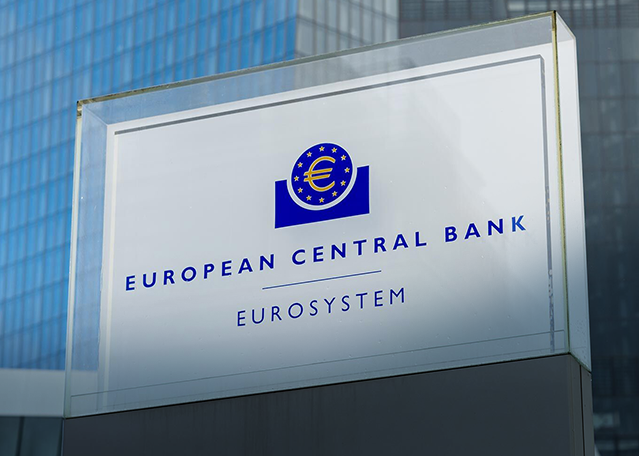
After the ECB, Another Crucial Week for Monetary Policy

Wall Street rallies on US-Iran deal hopes, oil drops

Gold Rebounds Slightly While Fed Rate Risks Continue to Weigh

USDX Stabilises as Peace Talks and Inflation Data Shape Dollar Trajectory

Which US Airline Could Profit Most from the 2026 World Cup Travel Surge?

Week Ahead – Central Bank barrage ahead: Fed, BoJ, RBA, SNB and BoE in focus